
AI in the NHS 2026

Watch videos from the event by clicking through the tabs below
2026 is set to be a pivotal year for AI in the NHS, with important national strategies and regulatory reforms expected that will impact what kinds of technologies get used and how the health service adopts and oversees them.
But turning the vision of an AI-enabled health system into reality won’t be straightforward. Our third annual AI event brought together stakeholders from across the NHS, government, industry, academia and the charity sector to consider how the NHS can responsibly, safely and effectively implement AI at scale.
This full day event explored how to:
- translate national strategy into real-world implementation
- evaluate and scale AI tools rapidly, safely and effectively
- build trust among clinicians, patients and the public
- support the workforce through technological transformation
- learn from leading international health systems already using AI at scale.
Download the slides
Speakers
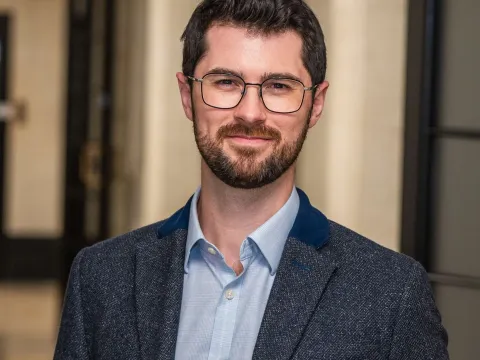
Dr Joseph Alderman is lead for research and policy at the Bright group, University of Birmingham.
His work centres on AI governance: he led the STANDING Together consensus study (tackling algorithmic bias), coordinated the research and engagement programme for the MHRA's National Commission into the Regulation of AI in Healthcare (providing evidence to build a new regulatory framework for AI as a medical device), and has co-created a Health Chatbot User Guide (to help members of the public use these tools safely for health questions).
He is an NIHR clinical lecturer, combining research and policy with front-line NHS practice as an anaesthetist.
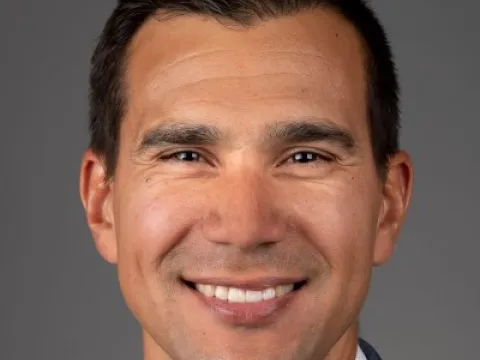
Dr. Brian Anderson is the President and Chief Executive Officer of the Coalition for Health AI (CHAI) where he leads a national coalition in the development of technical standards and best practices for MLOps, including governance, testing, evaluation and monitoring in Health AI Assurance Labs.
Prior to CHAI, Dr. Anderson was the Chief Digital Health Physician at MITRE where he led research and development efforts across major strategic initiatives in Digital Health, including partnering with the United States Government and private sector organizations. He was responsible for leading MITRE's efforts in Advancing Clinical Trials at the Point of Care (ACT@POC), an effort that develops digital tools and approaches to support more diverse and efficient pragmatic clinical trials in Cancer and other diseases. He was also the co-PI on MITRE’s largest Health R&D effort in Oncology, supporting Cancer Moonshot efforts.
Dr. Anderson is an internationally recognized expert and author in digital health and Health AI; he is regularly engaged as a speaker on digital health innovation, Health AI assurance and best practices, health standards development, clinical decision support systems, and interoperability. Prior to MITRE, Dr. Anderson led the Informatics and Network Medicine Division at Athenahealth where he launched a new approach to clinical decision support leveraging machine learning models. He has also served on several national health information technology committees in partnership with the Office of the National Coordinator (ONC).
Dr. Anderson trained at Massachusetts General Hospital and also practiced at Greater Lawrence Family Health Center. He received his MD with honors from Harvard Medical School, and a BA in Social Anthropology, cum laude from Harvard College. Currently he lives in the greater Boston area, with his wife and 3 children.
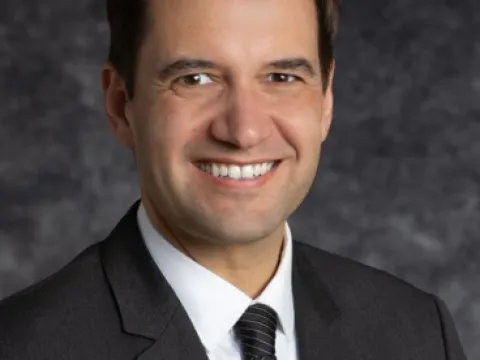
Dr. Ricardo Baptista Leite is a Portuguese-Canadian medical doctor trained in infectious diseases with extensive experience in global health, health systems and science-based policymaking. Prior to his current role as CEO of ‘HealthAI – The Global Agency for Responsible AI in Health’ in Geneva, he served four terms as a Member of Parliament in Portugal, serving on both the health and foreign affairs committees. Ricardo is a former city councillor of Sintra and previously served as Deputy Mayor of Cascais.
Ricardo is the founder and President of the ‘UNITE Parliamentarians Network for Global Health’, a network of current and former policymakers from 110 countries. With more than 15 years of academic experience, he is Chair of the Board of the Harvard-Charité Global Health Policy Lab, based in Berlin, and Chair of the Centre for Global Health at NOVA University Information Management and Data Science School in Lisbon. He also coordinates the Centre of Competences in Health, Biotechnology and Health Sciences of the Portuguese Diaspora Council.
Ricardo completed postgraduate studies at Johns Hopkins University, Harvard Kennedy School of Government and Harvard Medical School, and previously worked as a practising physician in the Portuguese National Health Service for several years, including an internship at the World Health Organization.
Ricardo served as a medical volunteer for over a year at his hometown hospital in Portugal during the COVID-19 pandemic and as part of a humanitarian mission at the Lviv Regional Hospital in Ukraine during the first summer after the start of the war.
In 2024, Ricardo was the first Portuguese citizen to be appointed by the Obama Foundation as an ‘Obama Leader 2024-2025’. More recently, the UK Government appointed him as a core member of the newly created National Commission on Regulation of AI in Healthcare
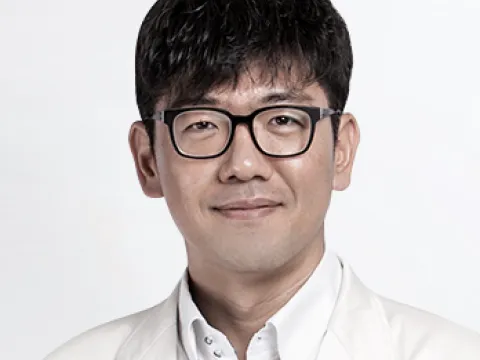
Dr. Wonchul Cha is a physician-scientist and Chief Information Officer (CIO) of Samsung Medical Center (SMC), where he also heads the AX Strategy Team. He is Associate Professor at Sungkyunkwan University School of Medicine and the Department of Digital Health at SAIHST, and Director of the Healthcare Digital Transformation Research Institute (HTRI).
At SMC, Dr. Cha has focused on turning AI research into systems that work in daily clinical practice. He led the deployment of AI-powered clinical decision support tools now in routine use across the hospital, launched and scaled telemedicine services, introduced robot-based logistics automation, and delivered mobile services for both providers and patients — all part of a hospital-wide digital transformation spanning clinical workflows, data infrastructure, and patient experience. Under his leadership, SMC became the world's first hospital to achieve the HIMSS Quadruple Crown, a benchmark of fully digitized, data-driven hospital operations.
His research interests include clinical AI, foundation models and large language models for healthcare, medical data science, and smart hospitals — with a consistent emphasis on evidence-based, trustworthy AI that measurably improves clinical decision-making. Dr. Cha also contributes to national initiatives and professional societies in healthcare AI and digital medicine.
Dr Jennifer Dixon joined the Health Foundation as Chief Executive in October 2013.
Jennifer was Chief Executive of the Nuffield Trust from 2008 to 2013. Prior to this, she was Director of Policy at The King’s Fund and was the policy advisor to the Chief Executive of the National Health Service between 1998 and 2000. Jennifer has undertaken research and published widely on health care reform both in the UK and internationally.
Originally trained in medicine, Jennifer practised mainly paediatric medicine, prior to a career in policy analysis. She has a Master’s in public health and a PhD in health services research from the London School of Hygiene and Tropical Medicine. In 1990–91, Jennifer was a Harkness Fellow in New York.
Jennifer has served as a Board member of the Health Care Commission 2004–2009; the Audit Commission 2003–2012; the Care Quality Commission 2013–2016 and the UK Health Security Agency 2022–2024. She has led two national inquiries for government: on the setting up of published ratings of quality of NHS and social care providers in England (2013); and on the setting up of ratings for general practices (2015). She was also a member of the Parliamentary Review Panel for the Welsh Assembly Government advising on the future strategy for the NHS and social care in Wales (2017–2018).
Jennifer was elected a fellow of the Royal College of Physicians in 2009 and a fellow of the Academy of Medical Sciences in 2019, and she was awarded a doctorate of science from Bristol University in 2016. She is a visiting professor at the London School of Economics, and has held similar positions at the London School of Hygiene & Tropical Medicine and Imperial College Business School. In January 2024 Jennifer was awarded a damehood in the New Years Honours.
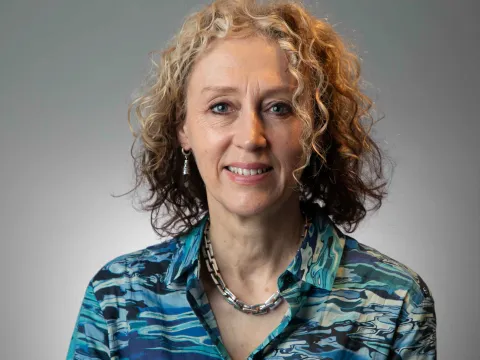
Mary Dixon-Woods is Director of THIS Institute and the Health Foundation Professor of Healthcare Improvement Studies in the Department of Public Health and Primary Care at the University of Cambridge.
Mary is also a Fellow of the Academy of Social Sciences, the Academy of Medical Sciences, and Downing College, Cambridge, and Honorary Fellow of the Royal College of Physicians, the Royal College of General Practitioners, and the Royal College of Obstetricians and Gynaecologists. She was an NIHR Senior Investigator from 2017 to 2022. In November 2024, she was conferred an honorary doctorate by the Royal College of Surgeons in Ireland (RCSI) University of Medicine and Health Sciences.
Mary served on England’s National Advisory Group on the Safety of Patients in England, which produced the Berwick report in 2013. She also served on the review of information technology in the NHS led by Professor Bob Wachter, which reported in 2016. She was a Wellcome Trust Senior Investigator 2012-2019. Mary was the Harveian Orator for the Royal College of Physicians in 2018, the 500th anniversary of the College’s founding. She is a member of the BMJ’s international advisory board.
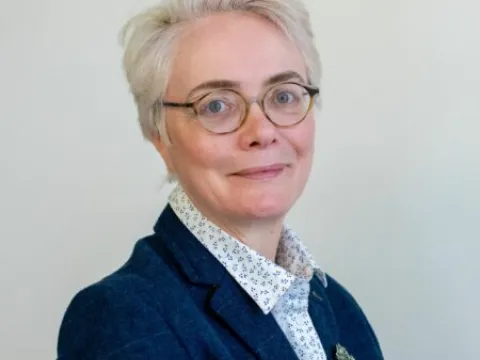
Dr Saira Ghafur is the Director of Digital Health at the Institute of Global Health Innovation, Imperial College London, where her work focuses on cybersecurity, health data and evidence generation for digital health and AI. Her research examines how cyber risks across healthcare infrastructure, including connected medical devices, clinical systems, and large-scale health data environments can be identified, mitigated, and governed to improve the resilience, safety, and trustworthiness of digital healthcare delivery. She has led the development of one of the first global academic collaborations dedicated to healthcare cybersecurity, bringing together expertise across technical, clinical, and policy domains.
Dr Ghafur’s work is characterised by a strong emphasis on policy translation and real-world impact. She has led interdisciplinary programmes spanning academia, government, regulators, and industry to translate research into actionable policy, guidance, and implementation frameworks. Her contributions have informed national and international discussions on healthcare cybersecurity, digital resilience, and health data governance, particularly relating to the secure adoption of emerging technologies and AI in healthcare. Through this work, she has established a recognised profile at the intersection of academic research, health policy, and practical delivery in health system cybersecurity.
Alongside her academic role, Dr Ghafur is an honorary consultant in respiratory medicine at Imperial College Healthcare NHS Trust. She is also the co-founder of Psyma Mental Health Technologies and Prova Health. Saira has previously served as a Clinical Fellow to the National Medical Director at NHS England and was a Harkness Fellow in Healthcare Policy and Practice at The Commonwealth Fund in New York City.
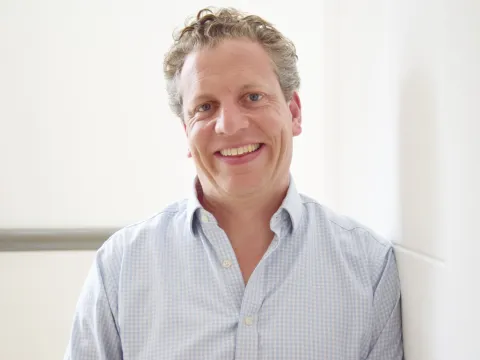
Bob Klaber is a Consultant General Paediatrician & Director of Strategy, Research & Innovation at Imperial College Healthcare NHS Trust. He is also the Group Director of Strategic Partnerships for the Acute Provider Group in north west London.
Bob trained as an educationalist alongside his postgraduate paediatric training in London and has a strong interest in individual and systems learning, quality improvement, behavioural insights work, leadership development and kindness. He has completed a mixed methods MD researching leadership approaches in healthcare and is a Professor of Practice (Population Health) at the School of Public Health, Imperial College London. Bob is also a trustee at the Nuffield Trust, Premier League Foundation and Imperial Health Charity.
In 2015 Bob set up a team who continue to drive an ambitious project to create a culture of continuous quality improvement across Imperial College Healthcare. In his current Executive Director role he is responsible for strategy, research, innovation and improvement across the Trust. This also involves clinical leadership around redevelopment, sustainability, improving population health, developing the Trust’s role as an anchor institution and improving health equity. At Group level his focus is on leading strategic partnerships.
Bob is also a strong advocate for child health and co-founded the Connecting Care for Children (CC4C) integrated child health programme in North West London www.cc4c.imperial.nhs.uk , which is focused on developing whole population integrated care models of care and learning within paediatrics and child health.
Bob is also leading a global movement on kindness in healthcare – now involving a network of 1600 people from 38 different countries, with the aim of refocusing our health and care systems back on their mission to deliver human-centred care.
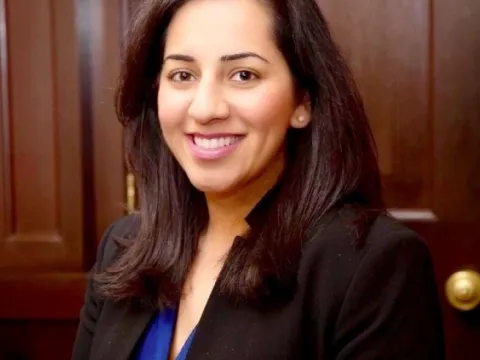
Ms Davina Lim joined the Ministry of Health at the end of 2022, where she leads the Ministry’s health innovation strategy and oversees a multi-disciplinary team focused on scaling proven innovations for national impact. Her work spans investment in strategic innovations and building the enabling conditions across the ecosystem for these to succeed. Davina also coordinates Singapore’s Healthcare AI Mission, one of four national AI Missions launched under the National AI Council, chaired by Prime Minister Lawrence Wong. The Missions aim to drive next bound sectoral transformation across Healthcare, Advanced Manufacturing, Financial Services, and Connectivity. Prior to her current role, Davina has held positions in the Ministry of Education and the Ministry of Trade and Industry, where she worked on education and economic transformation respectively.

Ed is a healthcare policy and strategy professional with experience across NHS leadership, central government, and frontline clinical care.
Before joining the MHRA, Ed completed a Harkness Fellowship at Stanford University, researching AI regulation and post-deployment monitoring. Prior to that, Ed was Director of Policy and Portfolio at Guy’s and St Thomas’ NHS Foundation Trust, where he led the development of a five-year strategy and oversaw major programmes spanning digital transformation, AI deployment and population health. He previously worked at the centre of government, including at DHSC and 10 Downing Street, and began his career as a physician.
Ed was named a 2025 National Academy of Medicine Emerging Leader. Alongside his role at the MHRA, he will continue his US-based research into the responsible use of AI in healthcare.

Madhumita Murgia has reported on artificial intelligence and the technology industry for more than a decade. Since 2012, at a time when few others were paying attention to the sector, she has focused on the rise of Big Tech, and the new wave of AI development.
Madhu is the FT's first Artificial Intelligence Editor, leading coverage of the technology for the publication globally, with a particular focus on the implications of AI for the economy and society. She co-presents Tech Tonic, the FT’s flagship technology podcast, and has been recognised for her journalism on a range of themes including surveillance, adtech, data privacy and regulation.
Her first book, CODE DEPENDENT, is a narrative exploration of how artificial intelligence impacts the lives of ordinary people across nine countries from China to India and the US. It has been translated into eight languages and was shortlisted for the prestigious Women’s Prize for Non-Fiction.
Madhu is an authoritative and compelling speaker who has years of experience chairing, presenting and speaking at high-profile events - including the World Economic Forum in Davos, the Founders Forum, TEDx and FT Weekend Festival. She brings her depth of technical knowledge to illuminate the complex AI sector for the public and policymakers. She can speak to business, geopolitical and societal impacts, from her frontline view of the industry.
Prior to joining the FT, Madhu worked for the Telegraph and WIRED UK, and has travelled the world from Silicon Valley to Seoul, interviewing major tech and AI leaders ranging from Satya Nadella and Tim Cook, to Sam Altman and Demis Hassabis. Along the way, she has broken market-moving news including tech billionaire Elon Musk’s plans to start his own AI company and behind-the-scenes details of Sam Altman’s surprise ouster by his board of directors.
Madhu’s TEDx talk on her personal data being sold by data brokers has been watched by over 200,000 people. She appears frequently on national television and radio in the UK, including Woman’s Hour, the Today Programme, and the Media Show, which she has presented.
For her reporting, Madhu has won multiple Press Awards for Journalist of the Year in the Science and Technology category. Before journalism, Madhumita worked on an HIV vaccine at Oxford University, from which she holds degrees in Biology and Clinical Immunology.
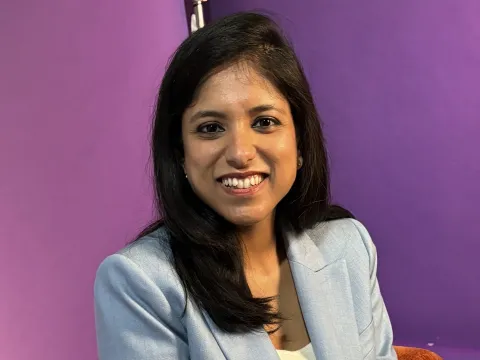
Micky Tripathi, Ph.D., is Mayo Clinic’s chief artificial intelligence implementation officer. With a focus on oversight and ongoing monitoring of artificial intelligence (AI) across the Mayo Clinic enterprise, Dr. Tripathi drives AI adoption and establishes streamlined pathways to integrate safe and effective AI into the clinical practice.
With over three decades of healthcare leadership experience, Dr. Tripathi’s expertise spans public and private sectors in strategy, product development and operations with a proven track record in leading large-scale health information technology (IT) projects and fostering collaborations. He served as a top federal official at the U.S. Department of Health and Human Services (HHS), where he oversaw clinical data standards, health IT policies, interoperability and health AI regulations. His work established nationwide data and interoperability standards across all HHS divisions and more than 500 electronic health record (EHR) products, impacting 97% of hospitals and 78% of physician offices across the nation. As the HHS’s chief AI officer, he developed AI transparency and risk management regulations for more than 900 certified EHR developers. He also vetted and approved all AI applications.
Before joining HHS, Dr. Tripathi served as chief alliance officer at Arcadia. In that role, he was responsible for developing and executing inorganic growth strategies ranging from enterprise partnerships to mergers and acquisitions. Further, he served as the president and CEO of Massachusetts eHealth Collaborative, providing health IT and data analytics services to healthcare customers across the U.S.
Dr. Tripathi received his undergraduate studies at Vassar College, earned his master’s degree from Harvard University and completed his Doctor of Philosophy degree from Massachusetts Institute of Technology. Recognized for his visionary yet practical leadership, Dr. Tripathi has served on numerous boards, and he excels in managing complex initiatives at the intersection of health, technology, business and regulation.
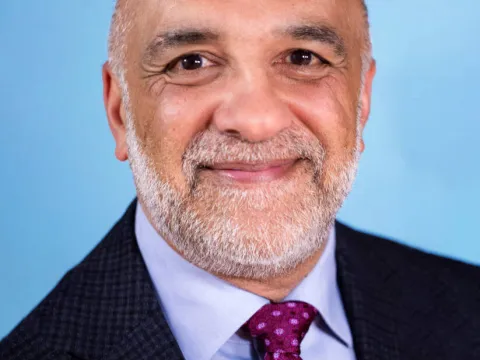
Anna Thomas is the Co-Founder and Founding Director of the Institute for the Future of Work (‘IFOW’), an independent research and development institute exploring the impacts of technology on work and working lives. Anna initiated and established the UK’s Future of Work Commission, the All Party Parliamentary Group on the Future of Work and the Pissarides Review into Work and Wellbeing.
Formerly, Anna was a barrister specialising in equality and labour law and Head of Future of Work, and a special advisor on digital policy, for the Labour Party. She has also advised on a wide range of technology policy across departments and the Centre for Data Ethics and Innovation, including on the Review into Bias in algorithmic decision-making.
Anna is a Fellow of the Institute for Policy Research, Royal Society of Arts, Institute of Employee Ownership and is a member of the ESRC funded Digital Futures at Work programme.